The future of livestreaming is clear: audiences have more options than ever, and they expect broadcasts that look and sound professional.
In the first three months of 2025, people worldwide watched nearly 30 billion hours of live video. 30. Billion.
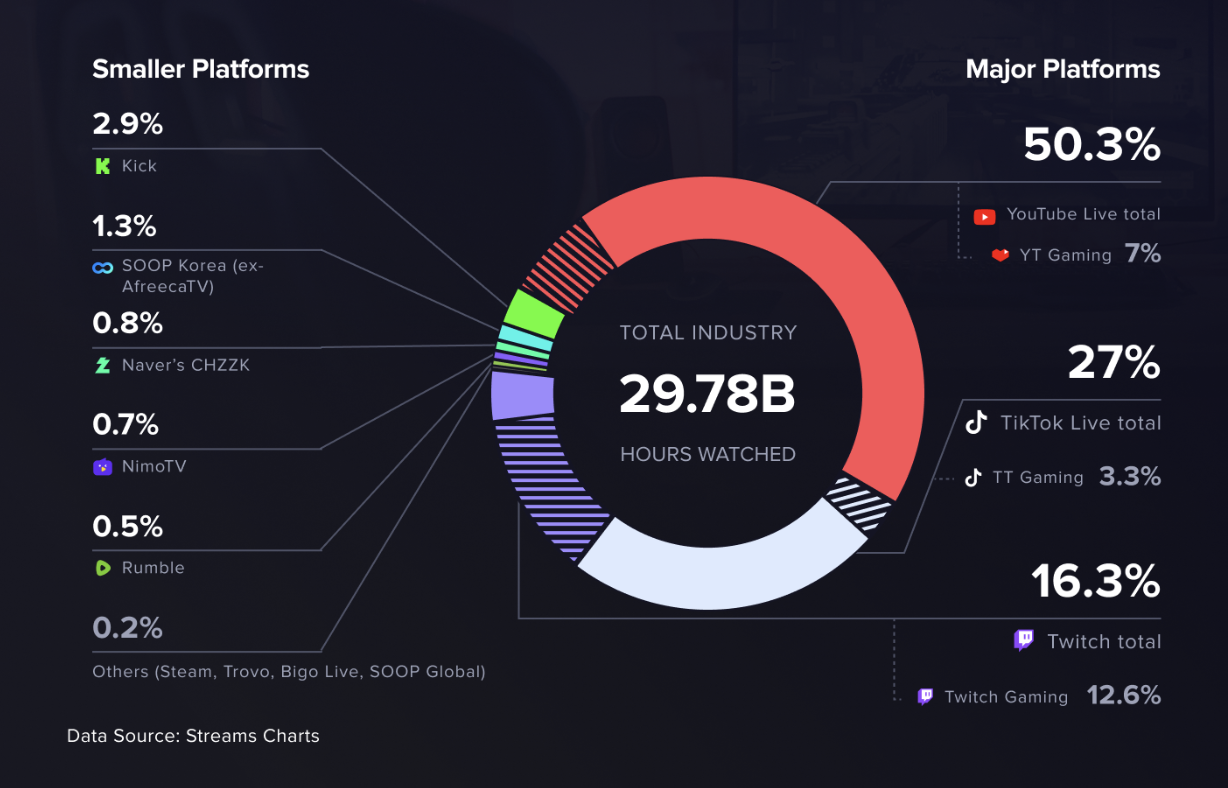
Plus, livestreaming is growing fast. So fast, in fact, that the livestreaming market is projected to grow from $2.6 billion to $9.8 billion by 2033.
Growth like this brings opportunity, but it also raises the bar for everyone who goes live.
When more creators, brands, and organizations go live, viewers get pickier. A stream that feels improvised, hard to follow, or visually flat gets skipped fast.
For creators, podcasters, churches, educators, and brands, the question is no longer whether live streaming matters. The question is how to stand out and hold viewers' attention when expectations are higher and competition fiercer.
In this article, we’ll break down the key trends shaping the future of livestreaming and what they mean for your next steps.
You’ll see how production is evolving, where audience expectations are headed, and how modern tools can help you streamline your setup, expand your reach, and future-proof your content strategy.
Trend #1. Multicamera mobile streaming
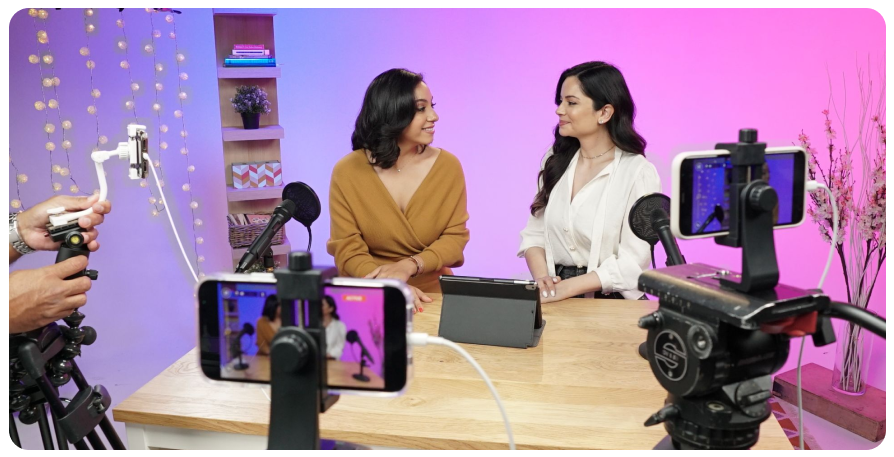
Live streaming’s changed shape. What once required money, a control room with a rack of equipment, and technical expertise now fits into the devices you already carry.
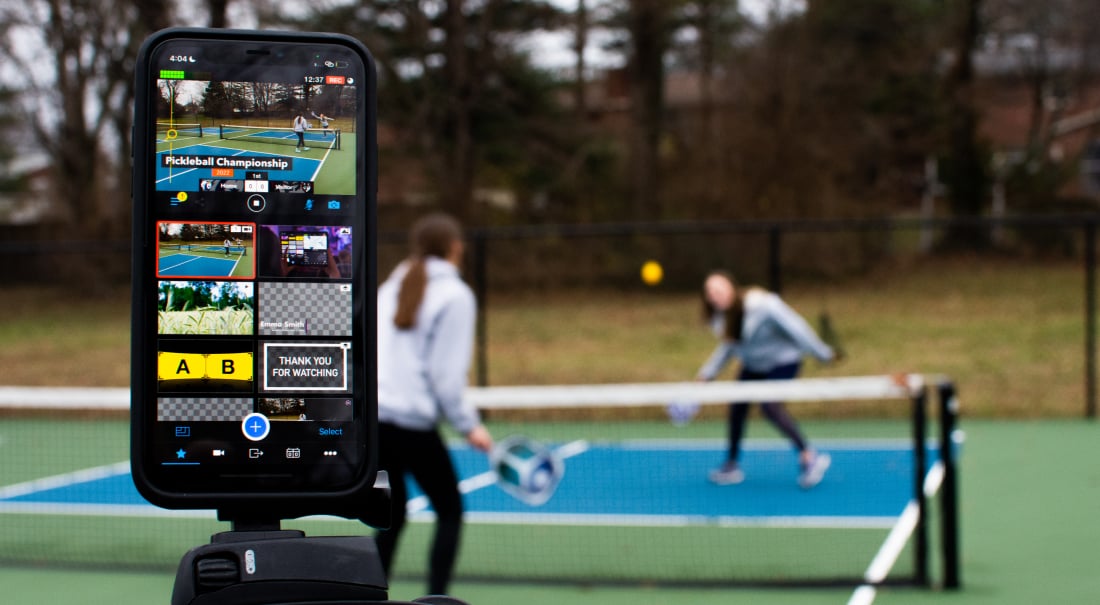
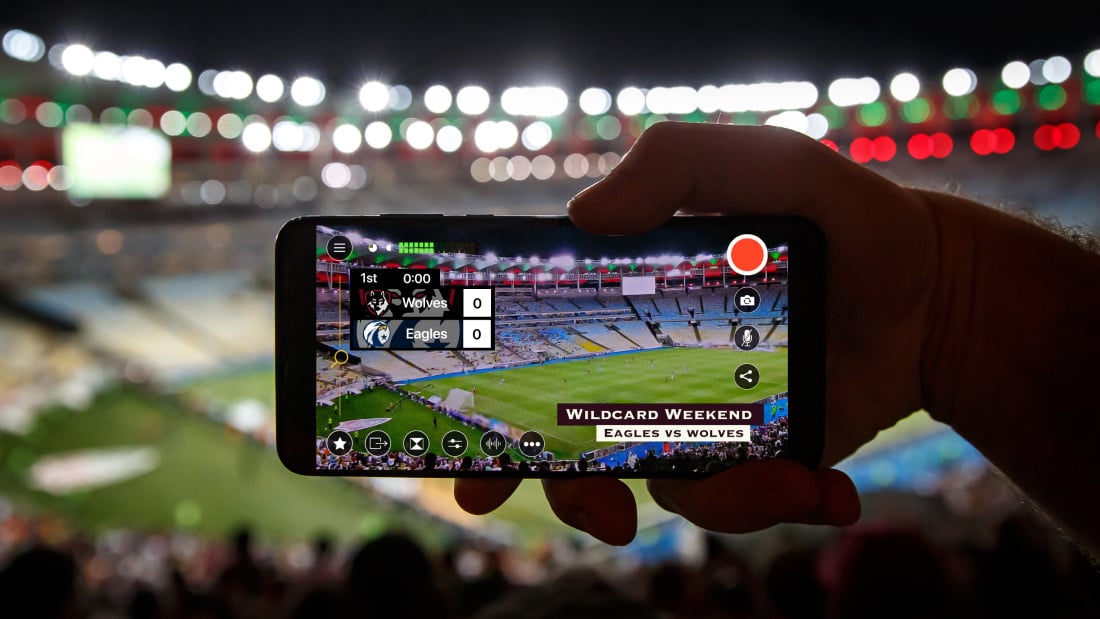
Multicamera mobile streaming turns phones and tablets into wireless cameras, all connected to a single live-switching app.
Why are streamers moving this way?
Audiences have grown used to dynamic video. One locked-off camera often feels flat, whereas multiple angles add energy, context, and intention.
What does this mean for you?
Mobile multicamera workflows let you move faster and create broadcasts that feel professional without building a permanent studio.
They also open the door to studio-level production in places where it wasn’t practical before: gyms, churches, classrooms, sporting events, and living rooms.
Tools like Switcher are designed exactly for this, letting streamers connect up to 9 iPhones or iPads as wireless cameras, switch shots live, add graphics, and even record full-quality footage from each device for editing later.
TL;DR: As production becomes more mobile-first, multicamera streaming is the baseline for telling richer stories with less friction.
Trend #2. Higher production expectations from viewers
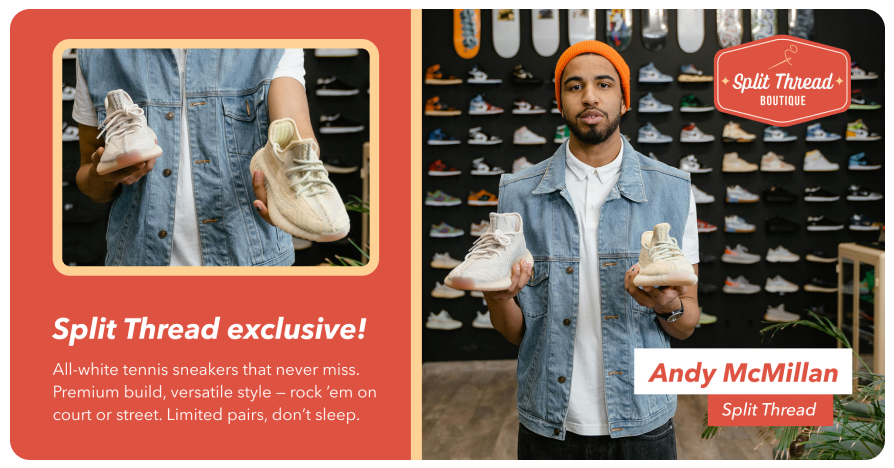
Scroll through almost any platform, and the bar is high: Clean visuals, clear sound, polished graphics, and multiple angles.
What used to feel “high-end” now feels normal.
Audiences are learning what good production looks and sounds like by watching top creators every day. That exposure shapes expectations.
Viewers may not name the technical details, but they feel the difference when audio is muddy, lighting is harsh, or visuals look unfinished.
Why should you invest in quality production?
Strong production does more than look good; it builds trust:
-
Clear sound helps your viewers focus on the message.
-
Thoughtful visuals signal care and credibility to your viewers.
-
Consistent branding makes your content easier to recognize and remember.
When quality slips, attention slips with it. Watch time drops. Engagement slows. Platform algorithms notice.
This doesn’t mean you need a studio or a workflow that takes hours. It means you need tools that help you produce professional-grade content quickly.
That’s where modern tools like Switcher come in. With features like built-in graphics, branded overlays, and reliable 1080p HD streaming.
TL;DR: As viewer expectations continue to rise, production quality is no longer an extra. It is part of how your story earns attention and keeps it.
Trend #3. Hybrid live and on-demand workflows
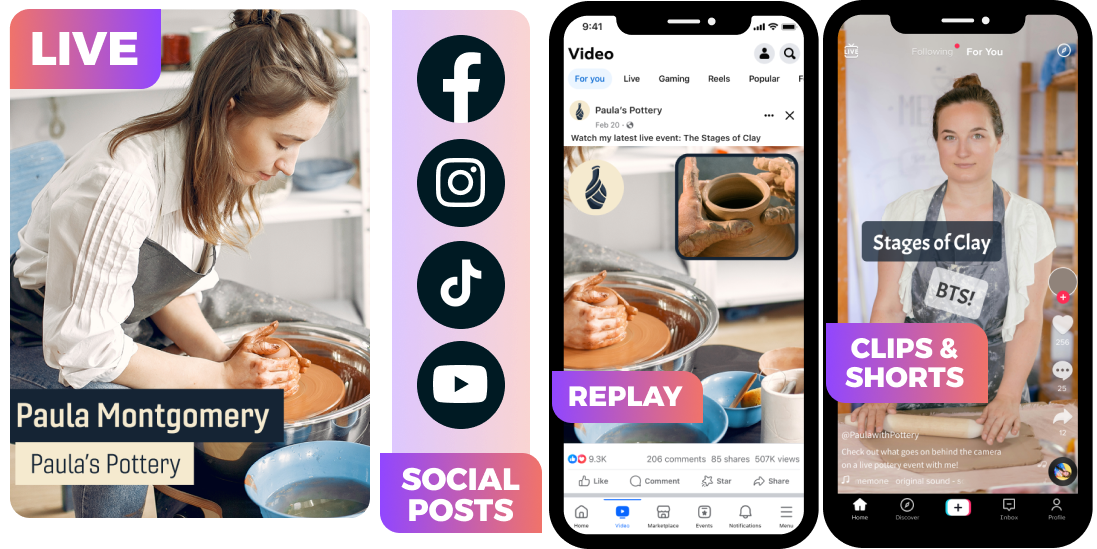
Today, a single stream can power weeks of content.
Your live session becomes a replay for viewers who missed it. Key moments turn into short clips. A training becomes an evergreen resource.
One broadcast feeds many channels.
Why should you design your streams to live longer?
Audiences expect you to show up everywhere. Long-form. Short-form. Video. Audio. Social. But trying to record separate content for each platform quickly leads to burnout.
Hybrid workflows solve that by treating livestreams as reusable content assets.
When you plan a broadcast with repurposing in mind, every minute works harder:
-
Highlights help you reach new audiences.
-
Full recordings meet more viewers on their own schedule.
-
Evergreen clips continue delivering value long after your stream ends.
Platforms like Switcher support this approach by capturing high-quality recordings from every camera and audio source while you go live. You can then edit them together later, however you want.
Isolated camera angles, clean audio, and easy access to your files make it simple to turn one stream into many formats.
TL;DR: Streamers who treat livestreams as content engines, not one-time events, are the ones building sustainable, multi-channel strategies.
Trend #4. Remote collaboration in live production
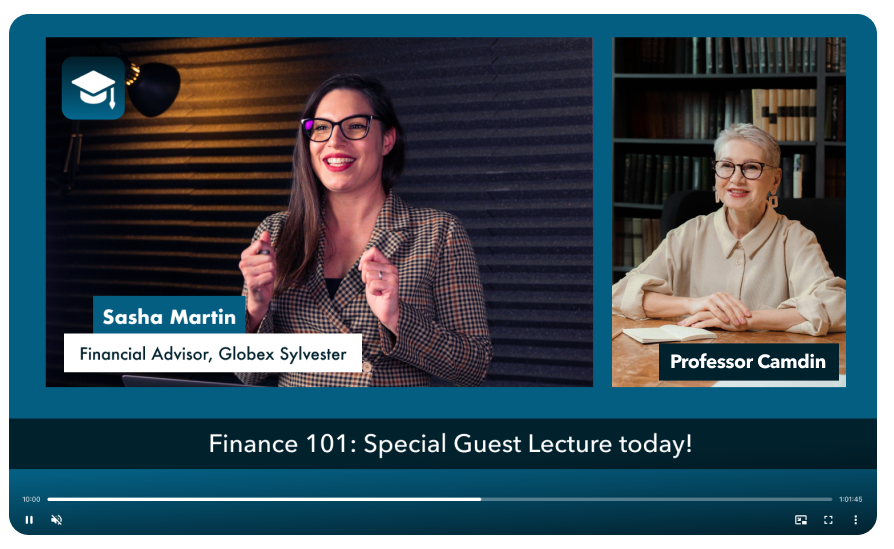
Live production no longer happens in one room, but wherever people are. Streamers, co-hosts, and guests can now contribute from different cities, time zones, or even continents, all within the same broadcast.
The key shift is control and reliability.
Remote guests can join with a simple link and appear as full camera sources alongside in-person angles. You can bring them in when you want, keep your show running on your schedule, and maintain a consistent look and sound across the whole stream.
How does remote collaboration expand possibilities?
Remote collaboration has moved from a workaround to a standard part of live production.
Panels come together without flights or studio bookings. Teams work faster when they are not constrained by schedules or travel.
For many streamers, remote workflows make production possible in the first place. They reduce costs, remove logistical friction, and open the door to formats that were previously out of reach.
Modern streaming platforms like Switcher are designed to support this shift. Remote guests can join with a simple link, hosts stay in control, and assets live in the cloud.
TL;DR: As collaboration becomes more distributed, the ability to produce together from anywhere is becoming a core requirement, not a nice-to-have.
Trend #5. The convergence of live video and podcasting
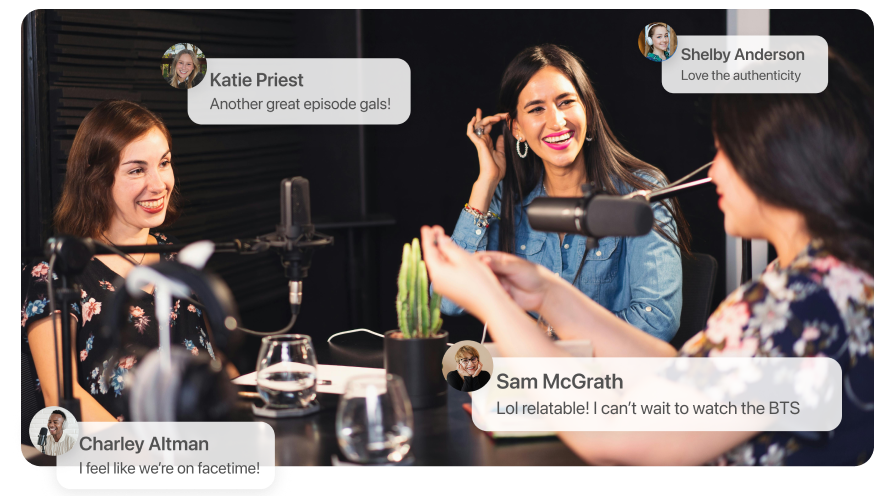
Podcasting is becoming something you watch.
Many of today’s most popular shows are recorded live on video, then released as podcast episodes and long-form video afterward. Live viewers engage in the moment, and listeners catch up later.
Why are video-first podcasts becoming the norm?
Video adds context to long-form conversation as facial reactions, pauses, and shared moments deepen connection.
Plus, live streaming invites audiences to be part of the experience instead of just consuming the result.
For podcasters, this format can multiply reach and help attract new listeners without multiplying effort. Distribution stretches across YouTube, podcast apps, and social platforms from a single session.
TL;DR: As podcasting continues to evolve, video is becoming part of how conversations are discovered, experienced, and remembered.
Trend #6. Multistreaming
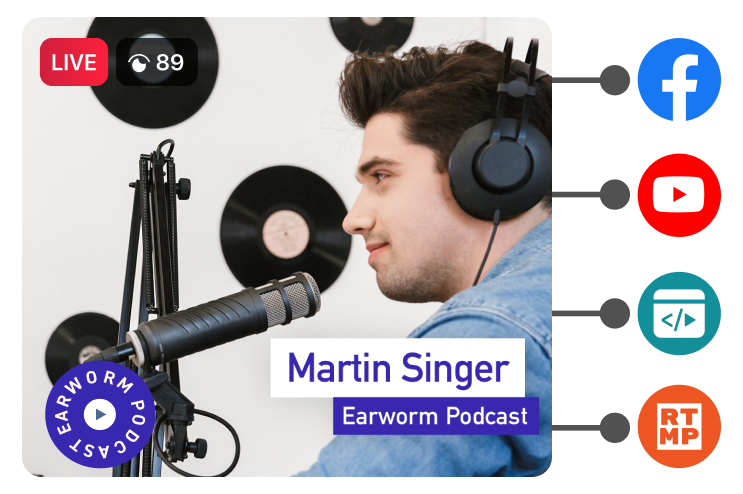
Audiences no longer live in one place. Some show up on YouTube. Others scroll Facebook, watch on Twitch, or discover content through TikTok.
Relying on a single destination means leaving reach to chance.
Multiplatform streaming — or “multistreaming” — solves that by sending one live broadcast to several platforms at the same time. This way, viewers get to watch where they already spend their time.
Why should you multistream your broadcasts?
Platform algorithms change, audience habits shift, and growth on one channel can stall overnight. Multistreaming reduces risk and gives you more control by diversifying where your content lives.
Streaming to multiple platforms can also help you:
-
Learn where your engagement is strongest
-
Reach new audiences faster
-
Meet your viewers where they already are
The key is keeping production simple, because managing multiple outputs shouldn’t mean managing multiple setups.
Tools like Switcher sit upstream of the platforms themselves. You produce one show, and Switcher streams it to multiple platforms through native integrations or custom Real Time Messaging Protocols (RTMPs).
TL;DR: As live streaming becomes more distributed, streamers who treat platforms as publishing channels, not constraints, are better positioned to grow and adapt over time.
Trend #7. Cloud-native production workflows
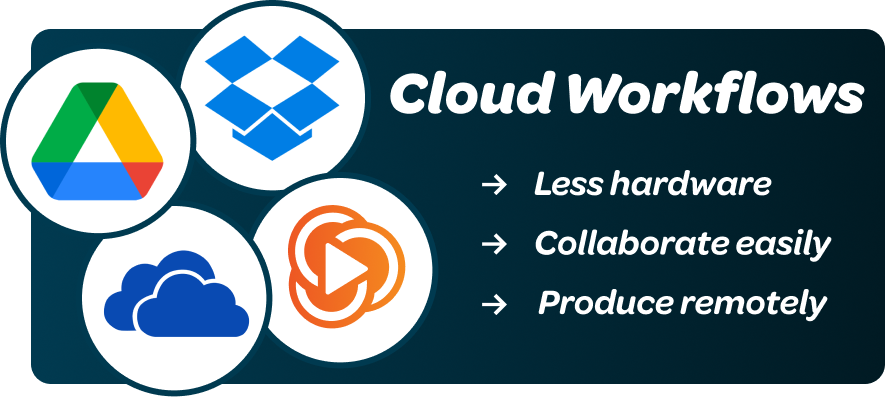
Live production is moving out of the studio and into the cloud.
Instead of relying on powerful computers, dedicated switchers, and on-site storage, more of the production process now happens online.
Video assets live in shared libraries, and recordings are available from anywhere.
Why are streamers leaving hardware behind?
Traditional production setups demand more than just skill. Gear requires space, maintenance, and constant upgrades.
Cloud-based workflows reduce that burden by shifting processing and storage away from local devices.
For streamers, this means:
-
Fewer hardware requirements (and costs)
-
Easier collaboration with remote teammates
-
The freedom to produce from anywhere
In short, lightweight setups reduce technical friction and make live production and post-production easier to manage.
Switcher fits into this shift by combining mobile-first design with cloud-connected features. From shared media libraries to cloud-accessible recordings and browser-based guests, the workflow minimizes complexity so you can focus on your content, not your tech.
TL;DR: As production continues to move toward flexible, cloud-enhanced systems, streamers benefit most from tools that stay light and connected.
Trend #8. Creator-centric monetization models
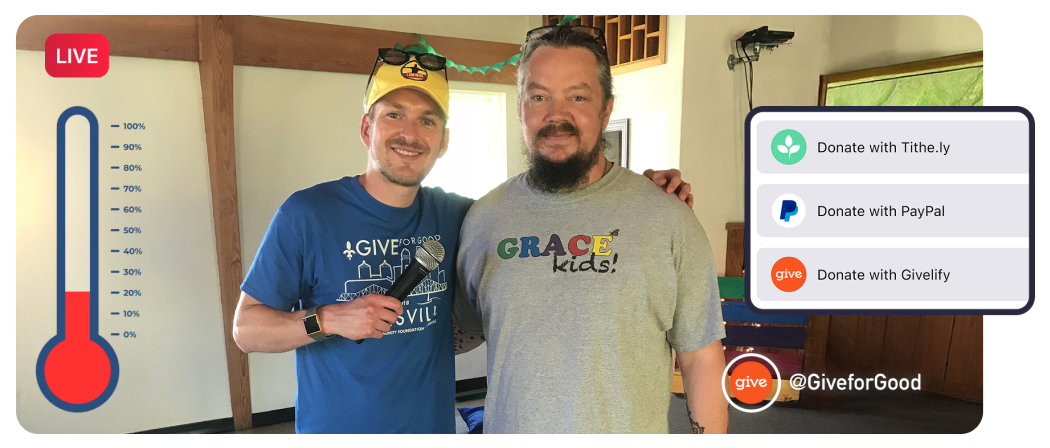
Streamers now have more ways than ever to earn directly from viewers, such as:
-
Paid content
-
Memberships
-
Tipping
-
Paid chats
-
Sponsored segments
-
Digital goods
-
Live shopping
Viewers expect to support streamers in real time, and many are happy to do so when the value feels clear.
What does this mean for you?
Creator-centric monetization is pushing live streaming toward more structured, production-aware shows.
Clear audio, polished visuals, and on-screen graphics don’t just improve the experience; they also make offers easier to understand and act on in the moment.
Instead of going live and hoping revenue follows, streamers will increasingly design broadcasts with engagement and conversion in mind:
-
A consistent visual style that builds recognition and trust
-
On-screen prompts and graphics that make support options obvious
-
Planned segments that create natural moments for offers or sponsor reads
-
Interactive moments that reward viewers for participating live
The streams that earn consistently will feel organized, branded, and engaging from the first minute.
TL;DR: Creator-centric monetization is pushing live streaming toward more intentional, structured experiences that turn real-time engagement into sustainable revenue.
Trend #9. AI-powered production tools

Artificial Intelligence (AI) in livestreaming is changing workflows by automating tasks that once required a full production team, including:
-
Camera switching
-
Audio leveling
-
Background noise removal
-
Chat moderation
In many setups, AI acts like a virtual producer working quietly in the background. The result is a smoother show with fewer hands on the controls.
Automation is changing who can go live
Before, producing a polished live stream meant juggling a lot at once.
Monitoring audio, watching the chat, switching angles, and thinking ahead to post-production, to name a few. For solo streamers and small teams, that cognitive load adds up quickly.
AI-powered tools reduce friction and increase creative freedom.
As these tools mature, live streaming will become more accessible to those without the skills or bandwidth to manage everything manually.
This live streaming trend will allow streamers to focus on the conversation, the performance, or the lesson instead of managing every technical detail.
TL;DR: The future of AI in live streaming is about removing barriers. AI is making professional production easier to achieve, faster to manage, and more flexible than ever before.
Trend #10. Advanced mobile networks
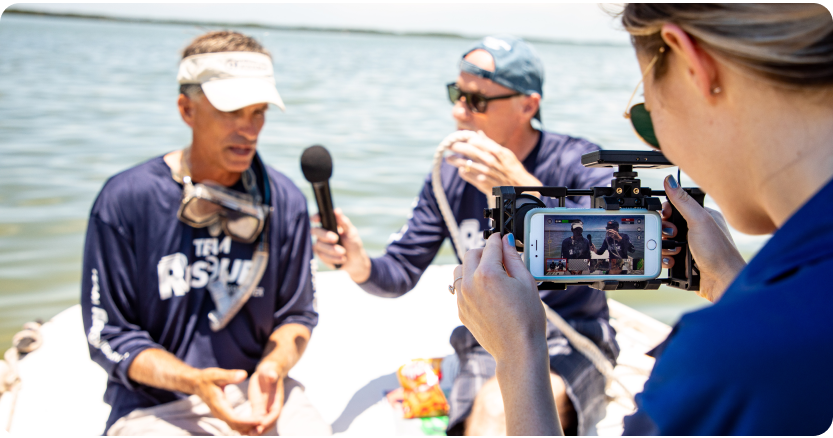
Faster networks and lower latency are shaping the future of livestreaming and what’s possible on location.
With 5G already expanding and future 6G concepts on the horizon, high-quality wireless streaming is becoming more reliable in more places.
Why better networks change everything
When connectivity is unstable, everything else becomes harder. Video degrades, audio drops, and viewers leave. The best production plan in the world cannot save a stream that can’t stay online.
In the broadcast world, tools like bonded cellular packs and backpacks have already made “streaming from anywhere” possible, but they often come with a price tag and setup complexity that is out of reach for many streamers.
Advanced mobile networks help solve that by improving upload speeds, reducing latency, and making wireless connections more consistent.
For streamers, this opens up bigger creative options:
-
Smoother streams from outdoor locations and events
-
Higher-resolution broadcasts without fighting your bitrate
-
More reliable live interactions when chat and real-time moments matter
Better networks mean fewer compromises and more confidence going live from the sidelines, the street, the studio corner, or anywhere the moment happens.
The bigger story is freedom for creators and small teams.
When your connection is strong, you can focus on the content instead of troubleshooting. You can say “yes” to more locations, more formats, and more spontaneous opportunities without needing a larger crew or a complex setup.
TL;DR: As connectivity keeps improving, streamers will spend less time worrying about whether the stream will hold and more time focusing on what they came to share.
Step into the future of livestreaming today
The future of livestreaming is already here.
The tools are lighter. Workflows are more flexible. Production quality expectations are higher. Streamers are going live from more places, on more platforms, and with clearer goals around reach, revenue, and sustainability.
Switcher Studio is built for this future. Connect multiple iPhones or iPads, stream to multiple platforms at once, bring in remote guests, add graphics, and capture high-quality recordings in one workflow. Try Switcher free today.
Subscribe to the blog
Sign up to receive notifications whenever a new blog post is published. You may unsubscribe at any time.
Share
About the Author

River Law is a storyteller who writes for humans, with heart. Whether it’s helping global brands find their voice or giving startups the words to grow, River brings empathy and clarity to every project. An Englishman who calls California home, River finds his rhythm outdoors with his family.
All posts by River Law